
01
Verified alarm response
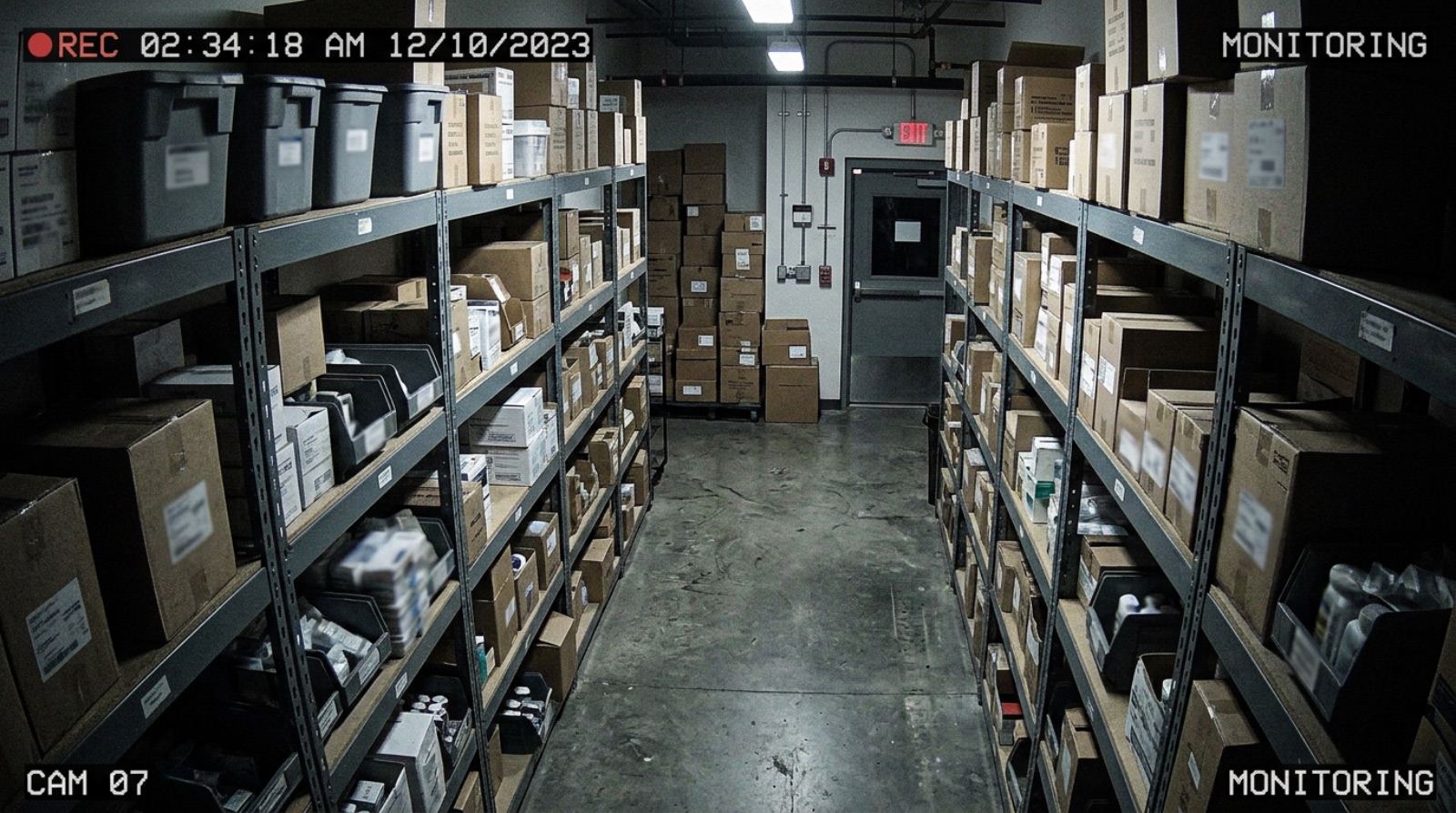
Sensor, panel, central station, camera verification, dispatch. An operator who can describe what is on screen is what changes the police response — and what stops the false-dispatch fines.
Three behaviors that separate a quiet system from a noisy one.
Sensor, panel, central station, camera verification, dispatch. An operator who can describe what is on screen is what changes the police response — and what stops the false-dispatch fines.
One building, three arming states, each matched to a real operating pattern rather than a generic 9-to-5. Disarmed is not unprotected: cameras, door logs and duress keep running.
A hidden button at the teller line sends a silent alarm. Nothing sounds in the lobby; an operator watches live and dispatches quietly.
Contacts on perimeter doors and motion detection sized to the room, with pet- and HVAC-aware placement.
Acoustic or shock sensors covering storefront glass and ground-floor windows.
Keypads at the doors people use, panels in the closet, partitions for tenants or departments.
Central-station monitoring with your call list and escalation, added only if you want it.
An LTE communicator with network backup, so a cut phone line or a downed internet connection does not silence the system.
Most false alarms come from a system configured for a building that does not exist — a generic schedule, a motion sensor aimed at a loading door that opens at 5 a.m., a keypad nobody was trained on. We build the detection plan around the real open-and-close pattern: who arms, who disarms, which areas stay live during business hours, and what happens when a shift runs late. Partitioning lets one part of a building stay armed while another operates.
Verification reduces both false dispatches and response time. Where it fits, alarm events are linked to a camera view so the condition can be confirmed before police are sent, and audio talk-down is available for after-hours deterrence on yards and lots. Signal paths are dual — cellular with network backup — because a cut phone line should not be a way to defeat a system.
Every alarm signal travels on two paths: an encrypted cellular communicator and the building network. The panel checks in on a schedule, so a failed path shows up as a trouble signal at the monitoring center instead of being discovered after a break-in.
Monitoring runs to a central station with documented response procedures and a contact list that is actually current. Every arm, disarm, alarm and user code is logged, so you can answer who closed the building and when from a report instead of a guess.
US-made panels with a reputation for reliability in banks and government — our pick for serious commercial intrusion.
Touchscreen panels with encrypted sensors — the modern standard for small business and mixed-use.
The service layer on top: app control, alerts, video verification, and cellular paths that survive cut lines.
Decades-deep install base and parts availability — what we service, take over, and extend every week.
B and G Series panels for large, multi-area sites that need many users and detailed reporting.
Commercial intrusion panels with built-in cellular and access control options on the same platform.
What to confirm for intrusion alarm work across Allentown, Bethlehem, Easton, Reading and the wider Lehigh Valley.
False alarms and missed zones both come from planning, not hardware. The survey maps how the building is used before a sensor is placed.
Many existing door contacts, motion sensors and wiring can be reused with a new panel or communicator. We check the panel model and sensor condition during the survey, and the proposal states which devices stay and why.
An alarm nobody sets protects nothing. We zone the building by how it is used, put keypads at the doors staff actually walk through, and give each person their own code.
No. Monitoring is optional and can be added later.
Yes. Partitions let each tenant or department arm its own area.
The panel and keypads run on backup batteries, and alarms still go out over the cellular communicator.
Usually configuration rather than hardware: a schedule that does not match how the building operates, a sensor aimed at a door that opens early, or staff never trained on the keypad. We re-survey and reconfigure before recommending equipment.
Yes, to a central station with documented response procedures, dual signal paths, and a contact tree kept current.
Yes. Each person has their own code, and every arm, disarm and alarm is logged in the app with the time and user.
Yes. Alarm events can be linked to a camera view for verification, and audio talk-down is available for after-hours deterrence.
A short walkthrough, then a line-item proposal. No packages, no pressure. Local crews across the Lehigh Valley, Berks, Bucks, Montgomery, Philadelphia and NJ.
Or call +1 484-800-1220Three behaviors that separate a quiet system from a noisy one.
Sensor, panel, central station, camera verification, dispatch. An operator who can describe what is on screen is what changes the police response, and what stops the false-dispatch fines.
One building, three arming states, each matched to a real operating pattern rather than a generic 9-to-5. Disarmed is not unprotected: cameras, door logs and duress keep running.
A hidden button at the teller line sends a silent alarm. Nothing sounds in the lobby; an operator watches live and dispatches quietly.
Contacts on perimeter doors and motion detection sized to the room, with pet- and HVAC-aware placement.
Acoustic or shock sensors covering storefront glass and ground-floor windows.
Keypads at the doors people use, panels in the closet, partitions for tenants or departments.
Central-station monitoring with your call list and escalation, added only if you want it.
An LTE communicator with network backup, so a cut phone line or a downed internet connection does not silence the system.
Most false alarms come from a system configured for a building that does not exist, a generic schedule, a motion sensor aimed at a loading door that opens at 5 a.m., a keypad nobody was trained on. We build the detection plan around the real open-and-close pattern: who arms, who disarms, which areas stay live during business hours, and what happens when a shift runs late. Partitioning lets one part of a building stay armed while another operates.
Verification reduces both false dispatches and response time. Where it fits, alarm events are linked to a camera view so the condition can be confirmed before police are sent, and audio talk-down is available for after-hours deterrence on yards and lots. Signal paths are dual, cellular with network backup, because a cut phone line should not be a way to defeat a system.
Every alarm signal travels on two paths: an encrypted cellular communicator and the building network. The panel checks in on a schedule, so a failed path shows up as a trouble signal at the monitoring center instead of being discovered after a break-in.
Monitoring runs to a central station with documented response procedures and a contact list that is actually current. Every arm, disarm, alarm and user code is logged, so you can answer who closed the building and when from a report instead of a guess.
US-made panels with a reputation for reliability in banks and government, our pick for serious commercial intrusion.
Touchscreen panels with encrypted sensors, the modern standard for small business and mixed-use.
The service layer on top: app control, alerts, video verification, and cellular paths that survive cut lines.
Decades-deep install base and parts availability, what we service, take over, and extend every week.
B and G Series panels for large, multi-area sites that need many users and detailed reporting.
Commercial intrusion panels with built-in cellular and access control options on the same platform.
What to confirm for intrusion alarm work across Allentown, Bethlehem, Easton, Reading and the wider Lehigh Valley.
False alarms and missed zones both come from planning. The survey maps how the building is used before a sensor is placed.
Many existing door contacts, motion sensors and wiring can be reused with a new panel or communicator. We check the panel model and sensor condition during the survey, and the proposal states which devices stay and why.
An alarm nobody sets protects nothing. We zone the building by how it is used, put keypads at the doors staff actually walk through, and give each person their own code.
No. Monitoring is optional and can be added later.
Yes. Partitions let each tenant or department arm its own area.
The panel and keypads run on backup batteries, and alarms still go out over the cellular communicator.
Usually configuration rather than hardware: a schedule that does not match how the building operates, a sensor aimed at a door that opens early, or staff never trained on the keypad. We re-survey and reconfigure before recommending equipment.
Yes, to a central station with documented response procedures, dual signal paths, and a contact tree kept current.
Yes. Each person has their own code, and every arm, disarm and alarm is logged in the app with the time and user.
Yes. Alarm events can be linked to a camera view for verification, and audio talk-down is available for after-hours deterrence.
A short walkthrough, then a line-item proposal. No packages, no pressure. Local crews across the Lehigh Valley, Berks, Bucks, Montgomery, Philadelphia and NJ.
Or call +1 484-800-1220