01
Link certification
Every link is tested for wiring, length and signal quality. You get certification reports, as-builts and a port map.
Certification, power and pathways, shown the way we check them on site.
Every link is tested for wiring, length and signal quality. You get certification reports, as-builts and a port map.
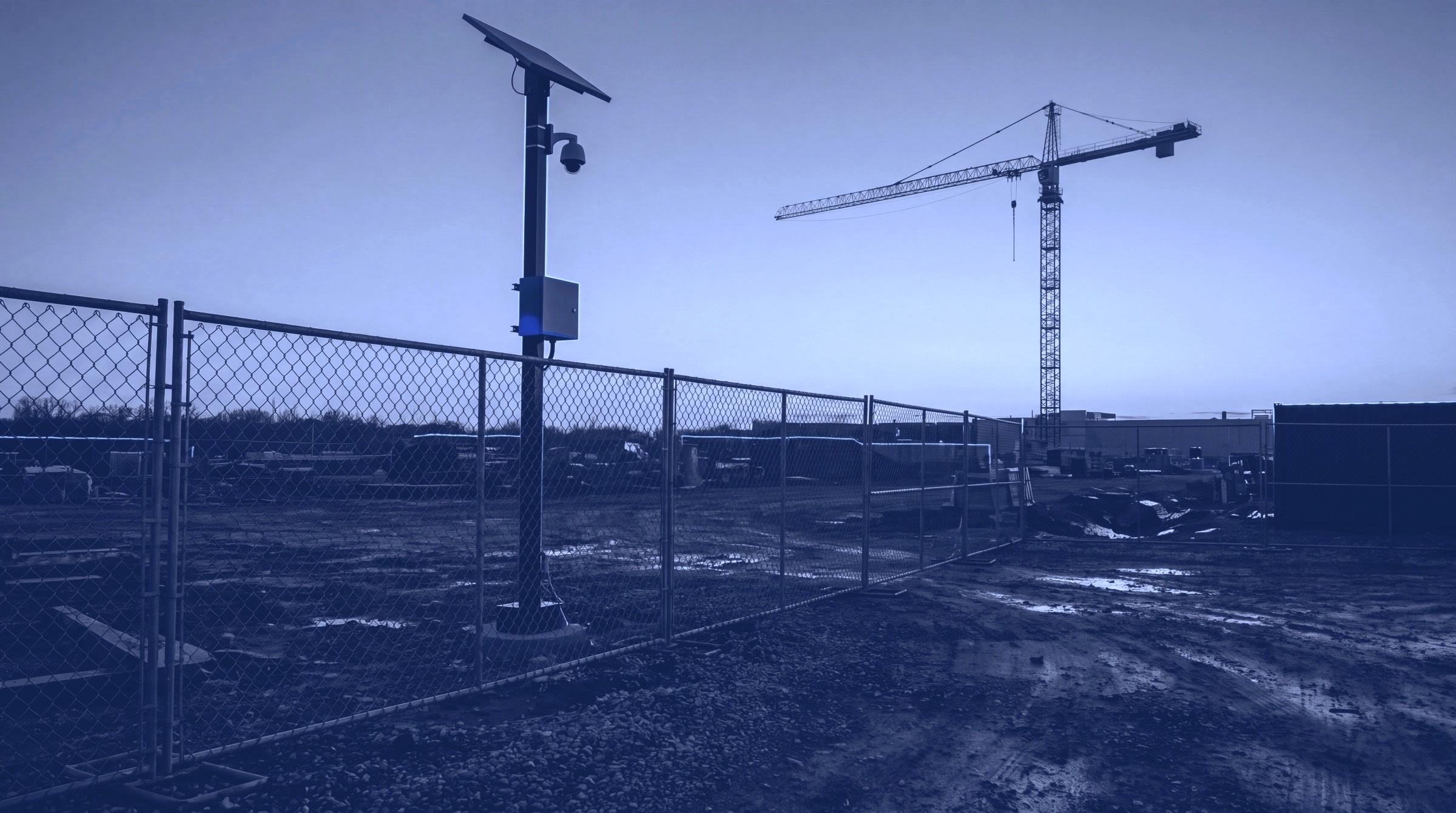
A port class is not a budget. Draw is summed per device type — a PTZ with a heater is four domes — against one shared supply, with headroom for next year.
Routes are planned before pulling cable. Rated penetrations are firestopped, and every port gets a clear label.
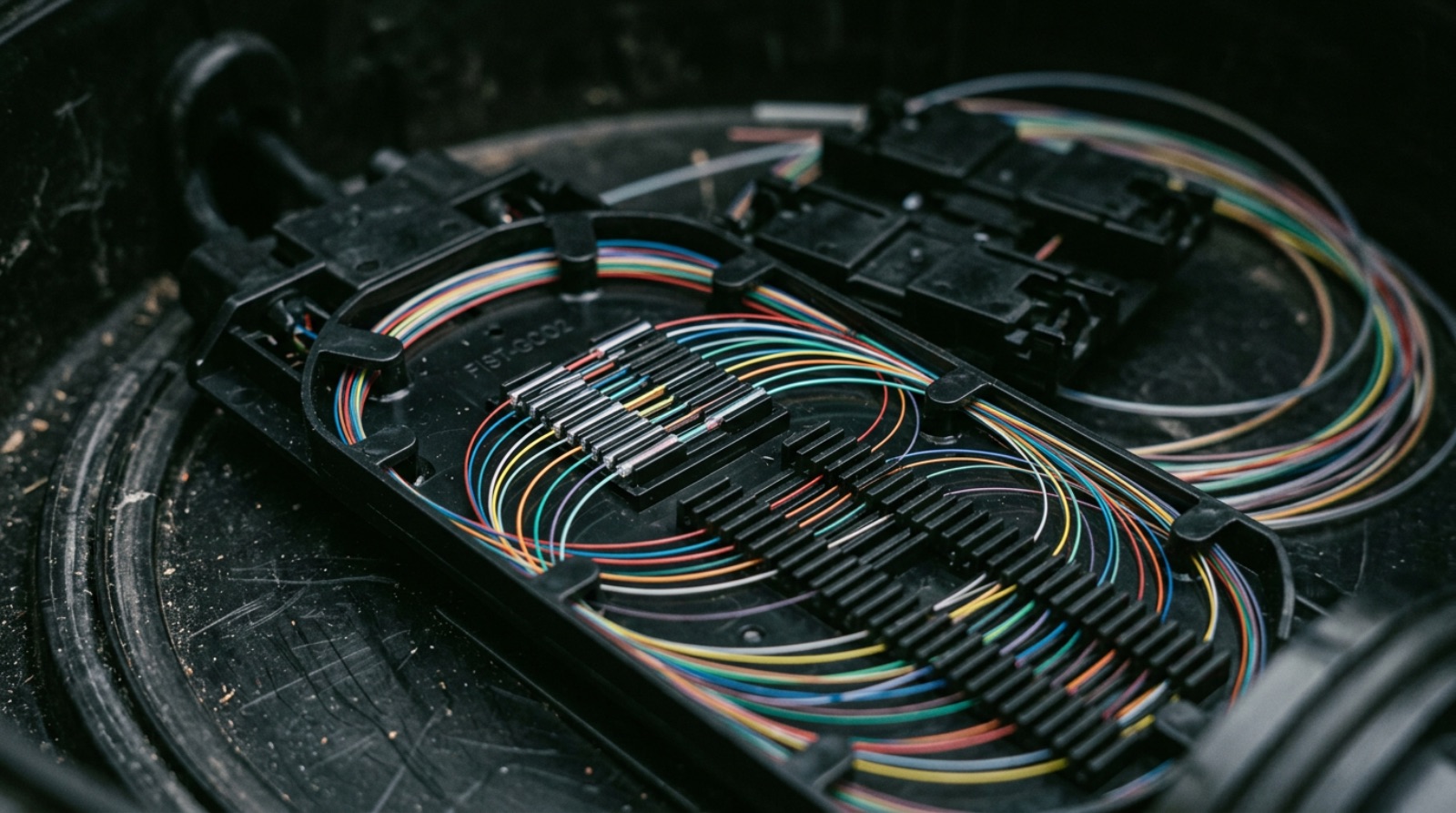
Every fiber link is traced end to end. Splices and connectors show up as events with measured loss, saved with the as-builts.
Horizontal runs to every camera, reader, AP and desk, labeled at both ends and tested to the standard.
Single- and multi-mode fiber between closets and buildings, terminated, tested and documented.
Dressed, labeled panels in properly grounded racks with room to grow.
Closet layout, ladder rack, power and cooling considered before the first cable is pulled.
Certification results for every run handed over with the as-built drawings.
Cabling is the longest-lived part of any system in the building, and the cheapest thing to get right at the start. We design horizontal runs, pathways, and telecom rooms to industry standard: Cat6 or Cat6A where the application and the run length call for it, single or multimode fiber between buildings and between floors, correct bend radius and support spacing, and separation from electrical sources. Cameras, access control, wireless and phones all ride the same plant, so it is sized for the load in five years rather than the load at cutover.
Racks, enclosures and terminations are built to be worked in. Labeling follows a scheme that a stranger can read, patch panels are laid out to match the room, and cable management is installed rather than improvised. This is the difference between a service call that takes twenty minutes and one that takes an afternoon.
Every link is tested and certified to standard, and you get the results. Certification reports, as-built drawings, a port-to-location map and labeling documentation are part of the deliverable, not an extra. The next contractor into the building — including us, three years later — should be able to work from the paperwork.
In occupied buildings and active plants, the schedule is the constraint. Runs in conduit, above hard ceilings, through masonry or across production areas are planned around shifts and access windows, with core drilling and fire-stopping done properly. In new construction and fit-outs we coordinate with the electrical and mechanical trades so pathways exist when we need them.
Racks, ladder rack, and cable management — the bones of an IDF that still looks right ten years in.
Jacks, patch panels, and enclosures with lifetime system warranties when installed to the manufacturer's requirements.
Cat6A and fiber systems for enterprise backbones — the spec-grade choice on engineered projects.
Copper and fiber cable trusted in industrial and broadcast environments — what we pull when failure isn’t an option.
Single-mode and OM4 fiber, splice enclosures, and connectivity — the backbone standard.
Every run tested and certified on Fluke Versiv — you get the reports, not our word for it.
What to confirm for structured cabling work across Allentown, Bethlehem, Easton, Reading and the wider Lehigh Valley.
Cabling cost is mostly labor and pathways. The survey decides routes, closets and testing before a single drop is priced.
Existing cable can sometimes stay in service if it tests to the required standard. We test or sample existing runs during the survey and quote replacement only where the cable or its pathway will not support the planned equipment.
Every camera, reader and access point is only as reliable as the cable behind it. We plan the pathways, pull and terminate, certify every run and hand over the documentation.
Routes, tray, penetrations and closet locations on the drawings.
Cat6, Cat6A or fiber to every device and desk, dressed into managers.
Every run tested; failures fixed before handover.
Labels at both ends, test reports and as-built drawings.
It depends on the application and the run. We specify per link rather than per building, and tell you where the extra cost buys headroom and where it does not.
Yes. Every link is tested and certified, and the reports, as-builts, labeling scheme and port map are handed over as part of the job. When comparing structured cabling quotes, ask for the cable category or fiber type, drop count, testing requirements and labeling scope in writing. At handover, match each test report to the labels at both ends and the port map so your IT team can trace a connection later.
Yes. Most of our work is. Runs are planned around shifts and access windows, with proper fire-stopping and core drilling.
Yes. Single and multimode fiber, indoor and outdoor rated, terminated and tested, with the pathway engineered for the route.
A short walkthrough, then a line-item proposal. No packages, no pressure. Local crews across the Lehigh Valley, Berks, Bucks, Montgomery, Philadelphia and NJ.
Or call +1 484-800-1220Certification, power and pathways, shown the way we check them on site.
Every link is tested for wiring, length and signal quality. You get certification reports, as-builts and a port map.
A port class is not a budget. Draw is summed per device type, a PTZ with a heater is four domes, against one shared supply, with headroom for next year.
Routes are planned before pulling cable. Rated penetrations are firestopped, and every port gets a clear label.
Every fiber link is traced end to end. Splices and connectors show up as events with measured loss, saved with the as-builts.
Horizontal runs to every camera, reader, AP and desk, labeled at both ends and tested to the standard.
Single- and multi-mode fiber between closets and buildings, terminated, tested and documented.
Dressed, labeled panels in properly grounded racks with room to grow.
Closet layout, ladder rack, power and cooling considered before the first cable is pulled.
Certification results for every run handed over with the as-built drawings.
Cabling is the longest-lived part of any system in the building, and the cheapest thing to get right at the start. We design horizontal runs, pathways, and telecom rooms to industry standard: Cat6 or Cat6A where the application and the run length call for it, single or multimode fiber between buildings and between floors, correct bend radius and support spacing, and separation from electrical sources. Cameras, access control, wireless and phones all ride the same plant, so it is sized for the load in five years rather than the load at cutover.
Racks, enclosures and terminations are built to be worked in. Labeling follows a scheme that a stranger can read, patch panels are laid out to match the room, and cable management is installed rather than improvised. This is the difference between a service call that takes twenty minutes and one that takes an afternoon.
Every link is tested and certified to standard, and you get the results. Certification reports, as-built drawings, a port-to-location map and labeling documentation are part of the deliverable. The next contractor into the building, including us, three years later, should be able to work from the paperwork.
In occupied buildings and active plants, the schedule is the constraint. Runs in conduit, above hard ceilings, through masonry or across production areas are planned around shifts and access windows, with core drilling and fire-stopping done properly. In new construction and fit-outs we coordinate with the electrical and mechanical trades so pathways exist when we need them.
Racks, ladder rack, and cable management, the bones of an IDF that still looks right ten years in.
Jacks, patch panels, and enclosures with lifetime system warranties when installed to the manufacturer's requirements.
Cat6A and fiber systems for enterprise backbones, the spec-grade choice on engineered projects.
Copper and fiber cable trusted in industrial and broadcast environments, what we pull when failure isn’t an option.
Single-mode and OM4 fiber, splice enclosures, and connectivity, the backbone standard.
Every run tested and certified on Fluke Versiv, you get the reports.
What to confirm for structured cabling work across Allentown, Bethlehem, Easton, Reading and the wider Lehigh Valley.
Cabling cost is mostly labor and pathways. The survey decides routes, closets and testing before a single drop is priced.
Existing cable can sometimes stay in service if it tests to the required standard. We test or sample existing runs during the survey and quote replacement only where the cable or its pathway will not support the planned equipment.
Every camera, reader and access point is only as reliable as the cable behind it. We plan the pathways, pull and terminate, certify every run and hand over the documentation.
Routes, tray, penetrations and closet locations on the drawings.
Cat6, Cat6A or fiber to every device and desk, dressed into managers.
Every run tested; failures fixed before handover.
Labels at both ends, test reports and as-built drawings.
It depends on the application and the run. We specify per link rather than per building, and tell you where the extra cost buys headroom and where it does not.
Yes. Every link is tested and certified, and the reports, as-builts, labeling scheme and port map are handed over as part of the job. When comparing structured cabling quotes, ask for the cable category or fiber type, drop count, testing requirements and labeling scope in writing. At handover, match each test report to the labels at both ends and the port map so your IT team can trace a connection later.
Yes. Most of our work is. Runs are planned around shifts and access windows, with proper fire-stopping and core drilling.
Yes. Single and multimode fiber, indoor and outdoor rated, terminated and tested, with the pathway engineered for the route.
A short walkthrough, then a line-item proposal. No packages, no pressure. Local crews across the Lehigh Valley, Berks, Bucks, Montgomery, Philadelphia and NJ.
Or call +1 484-800-1220