
How a takeover runs, step by step
Audit, migrate, reuse, hand over.
System audit
Every device is tested before anything is quoted. What still works stays; only what fails or is end-of-life is replaced.
Platform migration
Sites move to the new platform one at a time while the old system stays live, so doors and cameras never go dark.
Cable reuse
Existing runs are certified and reused where they pass, which is often the largest saving in a takeover.
Handover pack
Drawings, device schedules, IPs and admin accounts are handed over, so you are never locked to one installer again.
Inside a takeover
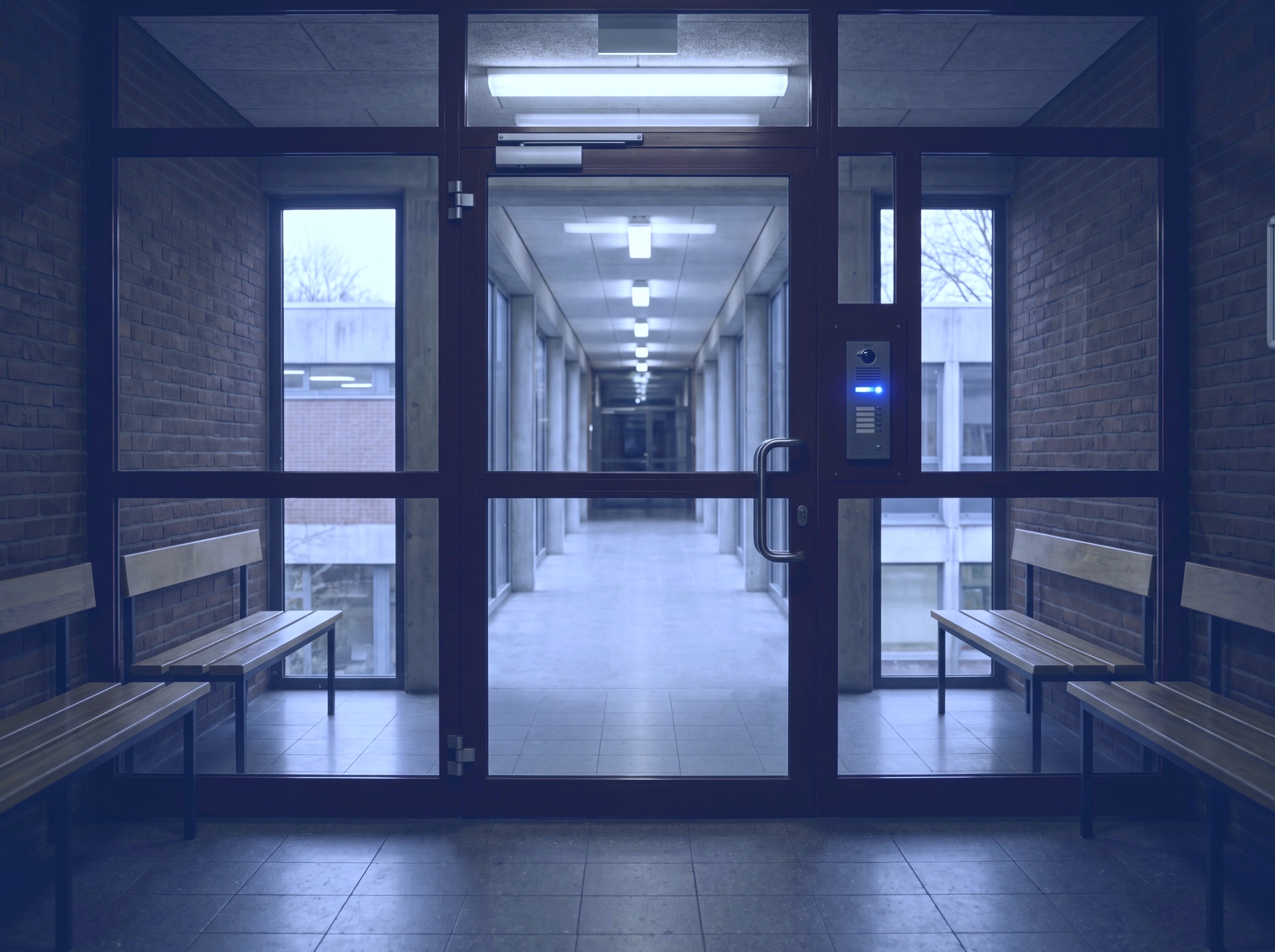
Existing-system assessment
Every device, panel, recorder and cable path on the wall is identified and photographed, with a written condition report.
Cabling and device tests
Runs are certified and cameras and readers are bench-checked; anything that passes is kept on the drawing.
Panel and recorder replacement
Controllers, recorders and communicators swapped for supported hardware on the platform you choose.
Credential migration
Existing cards and users carried over where the technology allows, with multi-technology readers to bridge the change.
Phased cutover
Door by door, camera by camera, so the old system stays live until the new one is tested.
Documentation and as-builts
Device schedules, network details and drawings handed over so the next change is straightforward.
What a takeover covers
- Analog and early IP camera systems moving to current IP or cloud recording
- Access control panels that are end-of-life or locked to a vendor
- Alarm panels with no remote access or an unsupported communicator
- Buildings with several disconnected systems from different installers
- Tenant fit-outs inheriting the previous tenant’s devices
- Portfolios standardising on one platform site by site
Why we test before we quote
A takeover quote written from the parking lot is a guess. Cable that was pulled fifteen years ago may certify perfectly; cable pulled last year may not. Cameras may be fine and the recorder failing, or the reverse. Testing first means the proposal lists what stays and what goes, and why.
It also protects the budget. Reusing certified cabling and sound mounts is usually the largest saving in a takeover, and it is only a saving if the runs are proven rather than assumed.
Vendor-locked panels
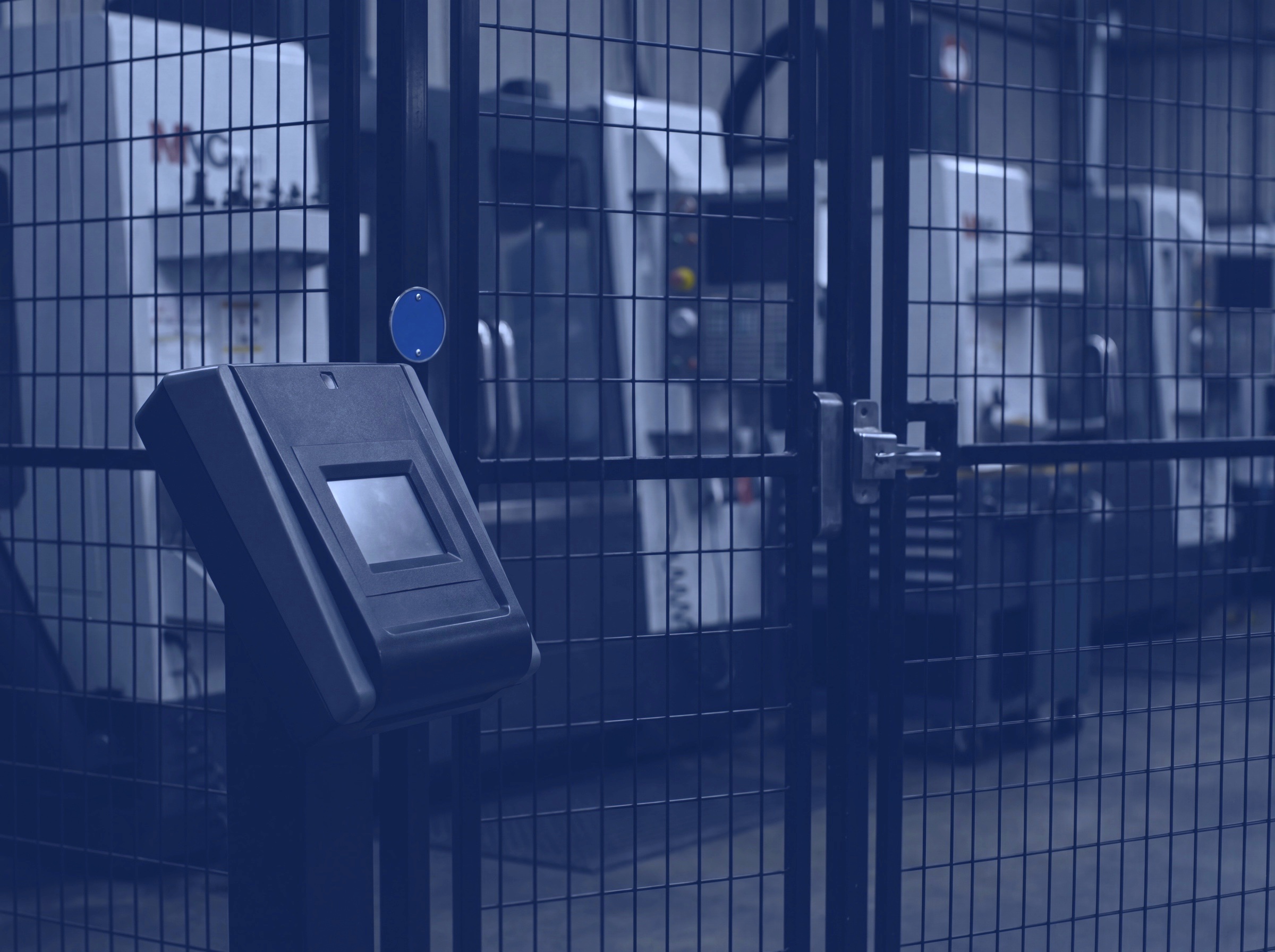
Some access and alarm panels can be re-programmed by a new integrator; some are locked to the original dealer or to a discontinued platform. We tell you which case you are in before work starts. Where a panel cannot be recovered, the field wiring and door hardware often can, and the controller alone is replaced.
How a takeover runs
Site walk and inventory
We photograph and list every device and panel, pull a sample of runs for certification, and check what programming can be recovered.
Keep, replace, add
The written proposal separates what stays, what is replaced and what is new, with the reason for each.
Phased install
Work is sequenced so recording and door control never lapse; each phase is tested before the next begins.
Documentation and training
As-builts, device schedules, credentials and a walkthrough for the people who will run the system.
Takeovers & Upgrades, done the long-term way
What to confirm for takeovers & upgrades work across Allentown, Bethlehem, Easton, Reading and the wider Lehigh Valley.
Takeover questions
Do we have to replace everything?
No. We test the cabling, mounts and field devices first. What passes stays; what fails or is unsupported is replaced. The written assessment shows which is which before you approve anything.
Can you take over a system another company installed?
Yes. Most takeovers start with a system we did not install. We document what is on the wall, recover or reset programming where the manufacturer allows it, and give you a condition report.
Will the building be unprotected during the cutover?
The work is phased door by door and camera by camera so the existing system stays live until its replacement is recording and tested.
Tell us about the building. We will call you back within one business day.
A short walkthrough, then a line-item proposal. No packages, no pressure. Local crews across the Lehigh Valley, Berks, Bucks, Montgomery, Philadelphia and NJ.
Or call +1 484-800-1220