How Oil & Gas / Petrochemical systems get designed
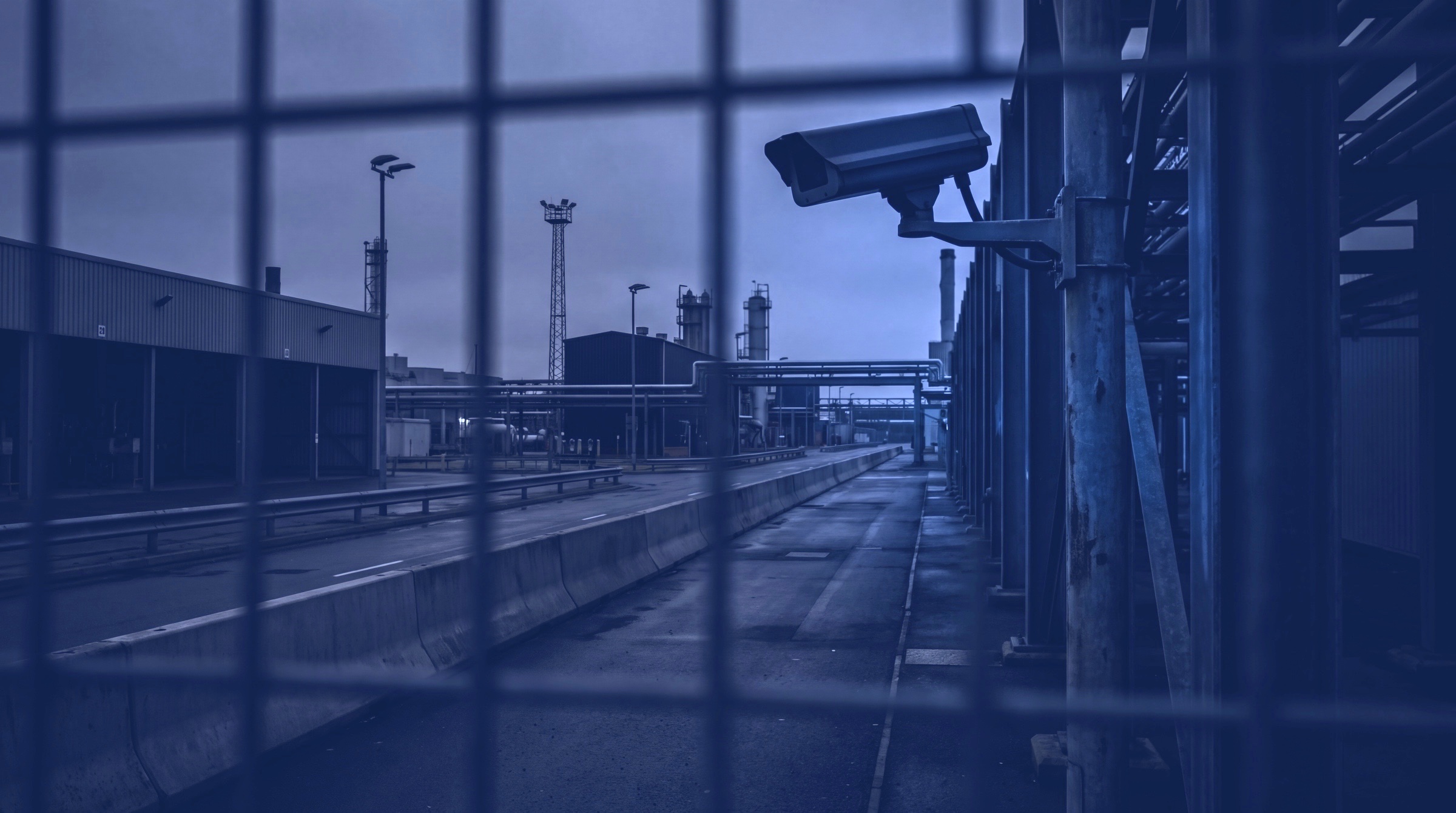
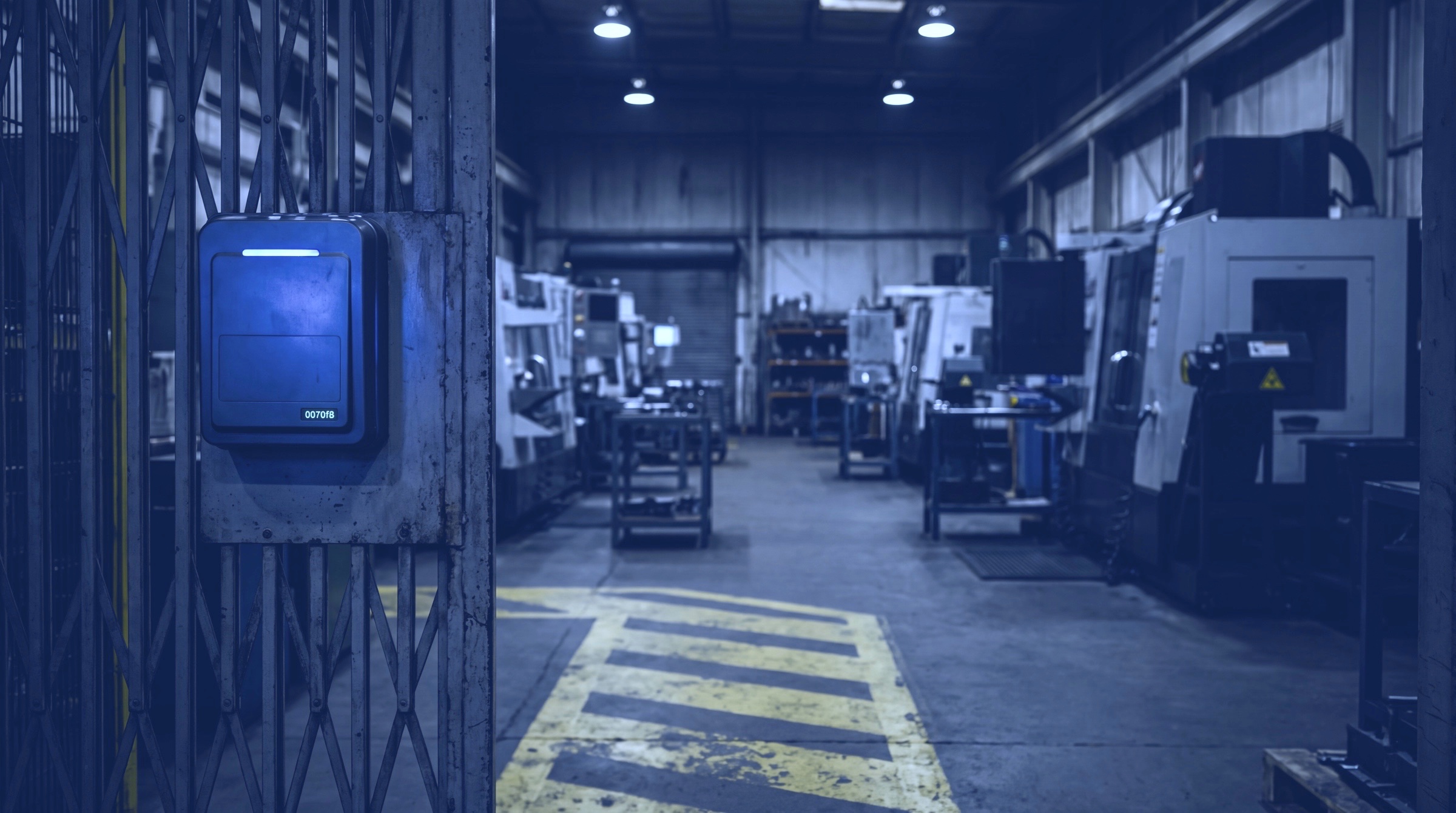
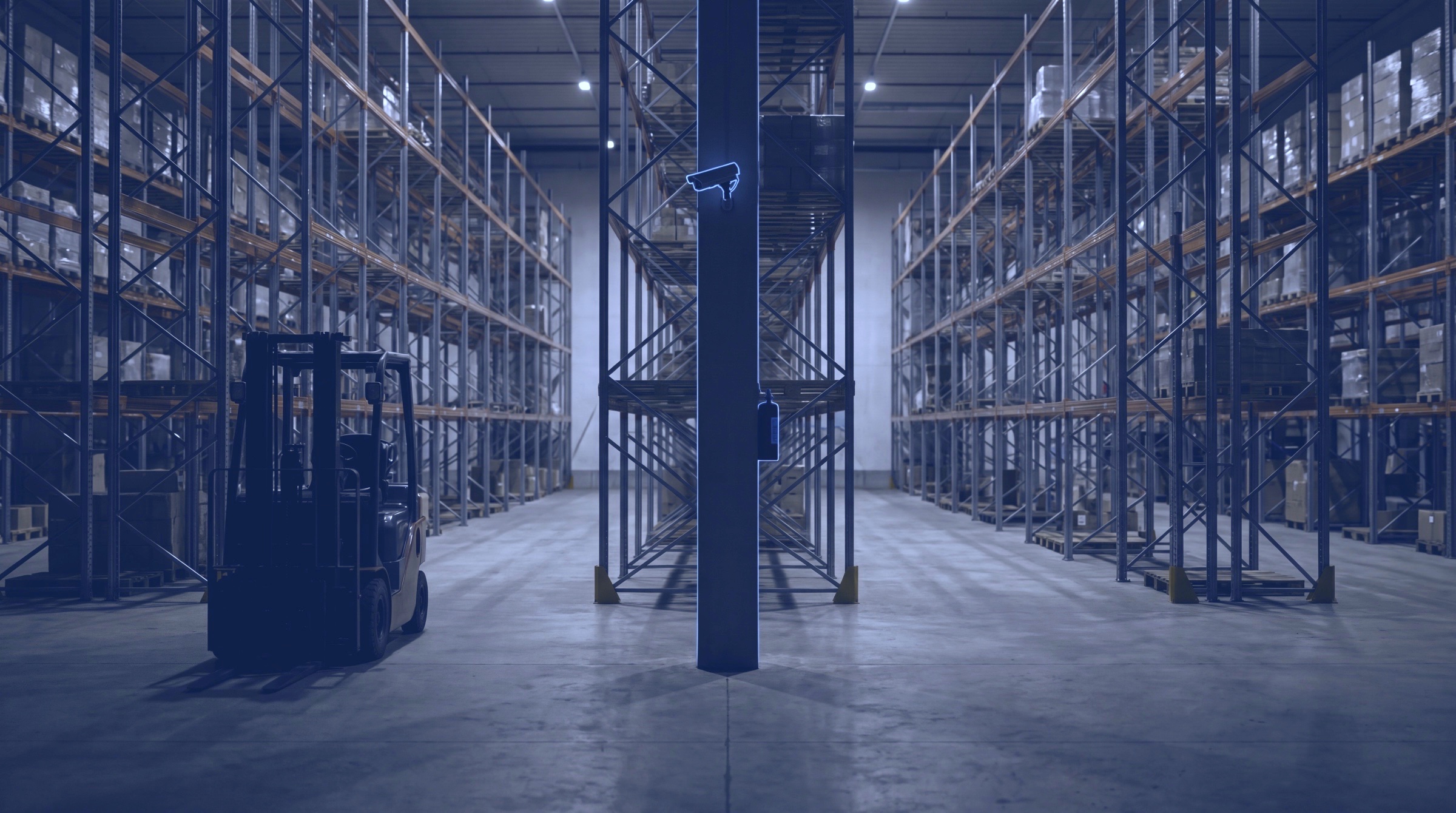
Oil, gas and petrochemical sites are protected from the fence line inward. Perimeter detection with verified response, plate capture and driver check-in at the gate, controlled entry to control rooms, pump houses and loading racks, and an audit trail on each opening. Camera and device placement follows the site’s hazardous-area classification drawings, with enclosures and pathways specified to suit the zone rather than assumed.
Documentation and retention are designed to the standard you report against — facility security plans, contractor access records, incident video — and configuration changes are recorded. Remote pipeline and well-pad sites get designs that tolerate limited connectivity: local recording and local door control continue when a circuit drops, with health monitoring so a failed device is found on a dashboard rather than during an incident.
Common questions
Can devices be installed in classified hazardous areas?
Placement follows your area classification drawings. Where a camera or reader must sit inside a classified zone, the enclosure and pathway are specified for that zone; otherwise devices are positioned outside it with the same field of view.
Do remote pipeline or well-pad sites still work without connectivity?
Yes. Local recording and local door control continue through an outage; management and remote viewing resume when the circuit returns.